Reviewing the Sensor, Measurement Function and Complete Rosemount 1066-C-HT-60 Code Before Restoring a Liquid-Analysis Channel
Rosemount 1066-C-HT-60 belongs to the Rosemount 1066 single-channel analytical transmitter family. The family supports liquid-analysis applications, but the complete C-HT-60 execution must be confirmed with the applicable order information. Sensor compatibility, communication and supplied options should be established for the offered unit rather than assumed from the broad transmitter family.
Identify the measurement being controlled
For Rosemount 1066-C-HT-60, name the actual analytical measurement and its purpose in the process. Include the sensor designation and connection arrangement. A single-channel transmitter does not imply universal compatibility with every liquid-analysis sensor; the required input function must be compared with the complete offered execution.
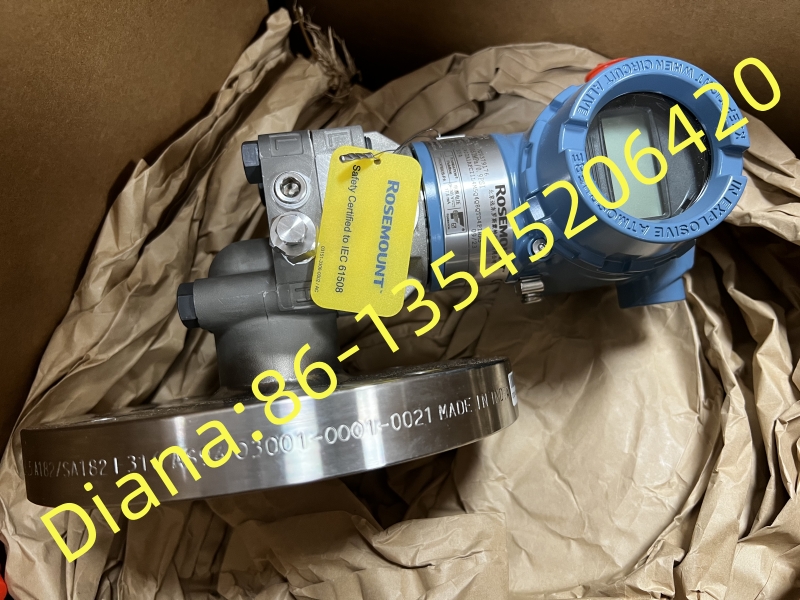
Shared reference image associated with the Rosemount 1066-C-HT-60 request. Confirm the actual offered unit and included accessories from the quotation and product labels.
Product references and application decisions
| Selection point | Confirmed detail or required review |
|---|---|
| Exact product | Rosemount 1066-C-HT-60 |
| Family | Rosemount 1066 |
| Measurement arrangement | Single liquid-analytical input |
| Exact execution | Confirm C-HT-60 against the applicable order record |
| Sensor matching | Identify measurement type and sensor model |
| Configuration record | Retain scale, units and the installed setup |
Treat the sensor as part of the evidence
The fault history accompanying Rosemount 1066-C-HT-60 should distinguish transmitter symptoms from changes at the sensing element or sample point. Record whether the reading changes with process conditions, cleaning or calibration. That context can help the instrument team decide what needs investigation without assuming every poor reading originates in the panel electronics.
Preserve the engineering interpretation
For Rosemount 1066-C-HT-60, keep the configured scale, units and intended output interpretation with the instrument tag. Check that the receiving system uses the same meaning. A plausible local display value is only part of the verification; the control system also needs to interpret the signal correctly after the channel is restored.
Confirm the offered configuration explicitly
- Request Rosemount 1066-C-HT-60 with a complete label image and any original order record.
- Ask the quotation to identify the sensor interface and included options.
- For Rosemount 1066-C-HT-60, unresolved suffix details should remain visible until confirmed, rather than being filled using a different 1066 variant that happens to appear in a catalogue search.
Plan the installation scope
A replacement involving Rosemount 1066-C-HT-60 may retain existing sensor cabling, mounting hardware and enclosure components. State that scope clearly and check the applicable connection documentation. Separate a transmitter-only purchase from a request for a complete measurement assembly so receiving inspection can determine whether all agreed parts have been delivered.
Keep calibration and sourcing records connected
- After approved work on Rosemount 1066-C-HT-60, retain the relevant setup and verification outcome alongside the supplied unit identification.
- Include the sensor used during the check.
- This connects the purchased transmitter to the analytical channel it serves and gives future maintenance a reliable reference if the same measurement later requires attention.