
Defining the covered and uncovered alarm states for Endress Hauser FTC262-AA1411 while checking the installed probe and bulk-material application
Endress Hauser FTC262-AA1411 is a configured Minicap FTC262 reference for capacitive point level detection. Endress+Hauser describes the FTC260/FTC262 family as point level switches with buildup compensation. The AA1411 option string requires confirmation against the original device configuration before specifying probe details, electrical version or approval scope.
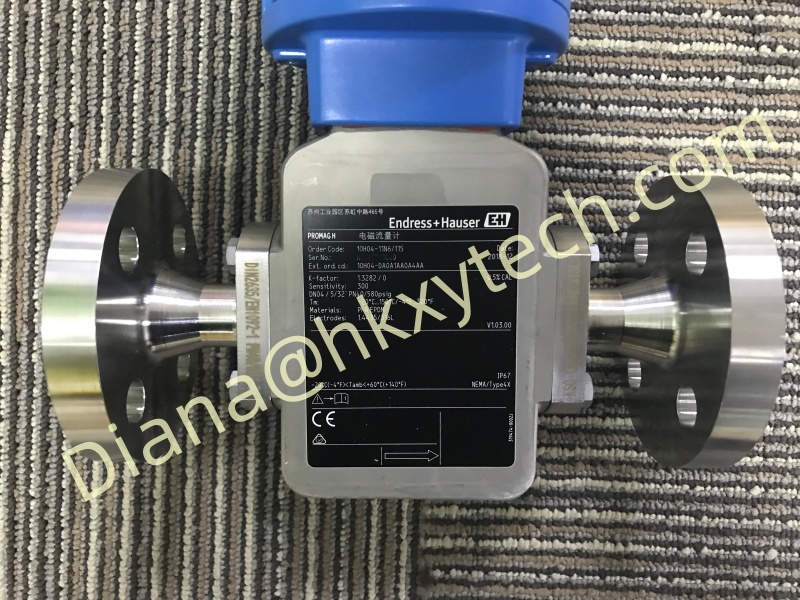
Shared reference image associated with Endress Hauser FTC262-AA1411; it does not establish the exact delivered model, options or accessories.
Choose the level event that matters
For Endress Hauser FTC262-AA1411, state whether the point is intended to indicate a high or low material condition. Identify the controller input and the process response associated with that signal. A point-level switch does not provide a continuous inventory measurement. Keeping the required event explicit helps the buyer and plant engineer assess the configuration without assuming that every bin switch has the same alarm purpose.
Describe the material at the probe
The application record for Endress Hauser FTC262-AA1411 should identify the bulk material and the conditions around the sensing point. Include buildup, material movement and the likely contact pattern.
The family feature of buildup compensation is useful context, but the selected installation still needs an application review. Do not turn that feature into a promise that all deposits or material changes can be ignored.
Protect the intended sensing position
- Before ordering Endress Hauser FTC262-AA1411, compare the probe configuration and mounting position with the existing bin drawing.
- Record nearby filling streams and mechanical constraints that could affect the installation.
- Exact dimensions should come from the verified configuration record.
- The supplier should be able to distinguish a complete configured switch from a generic FTC262 family offer before the purchase is approved.
Point-level application details
| Selection item | Verified information or configuration check |
|---|---|
| Configured request | Endress Hauser FTC262-AA1411 |
| Family | Minicap FTC262 |
| Measurement task | Capacitive point level detection |
| Family feature | Buildup compensation |
| Probe configuration | Confirm length, mounting and material from the exact order code |
| Electrical version | Verify supply, output and terminal assignment |
| Alarm philosophy | Define covered/uncovered state and loss-of-power behavior |
Keep the alarm state understandable
For Endress Hauser FTC262-AA1411, document the expected controller state when material covers the sensing point, when it is uncovered and when power is unavailable. The responsible engineer should define and check that behavior under the site procedure. A correct-looking local indication is not enough if the receiving logic interprets the signal differently. Preserve the agreed behavior with the wiring and configuration record.
Compare FTC260 and FTC262 deliberately
A related Minicap reference should remain separate from Endress Hauser FTC262-AA1411 until the probe form and application requirements are compared. Ask the supplier to state any proposed code change rather than replacing the line with a family description.
The order should specify the required configuration evidence and accessory scope. Approval claims must belong to the exact selected version and installation.
Inspect the mechanical scope before bin access
For Endress Hauser FTC262-AA1411, receiving checks should confirm the full label and the agreed probe configuration before the scheduled installation window. Keep seals, mounting parts and separately supplied items visible in the packing record. The maintenance record for Endress Hauser FTC262-AA1411 should link the delivered switch to the defined alarm point, making future replenishment less dependent on an incomplete photograph or an abbreviated stock description.