
Preparing the controller pairing record and a controlled restoration plan before ordering Honeywell TC-PRR021 redundancy module for installed equipment
Honeywell TC-PRR021 redundancy module is identified in Honeywell system documentation as a redundancy module. Its procurement context is the installed controller pair and supported hardware release. A module label alone does not establish firmware compatibility, a switchover time or the completeness of the redundant architecture, so those details should be confirmed from the site configuration and manufacturer system guidance.
Map both sides of the pair
For Honeywell TC-PRR021 redundancy module, collect the primary and partner hardware records together. Include the chassis inventory, system release and relevant link arrangement. This avoids evaluating one module in isolation while the paired installation uses an incompatible revision. The purchase request should identify the exact position to be serviced and the plant procedure governing removal, replacement and restoration of the redundant configuration.
A spare module does not define availability
Ordering Honeywell TC-PRR021 redundancy module can support a maintenance plan, but availability also depends on the complete system design and operating procedure. Do not turn a generic redundancy description into an unverified performance promise.
Ask the system owner to define the required behavior during maintenance and restoration. The buyer can then use that definition to separate hardware requirements from commissioning and integration responsibilities.
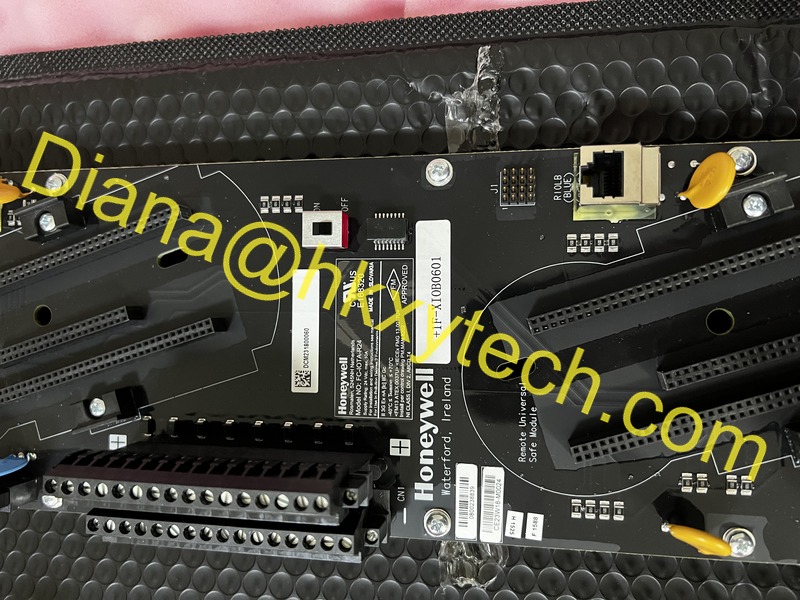
Shared reference image associated with Honeywell TC-PRR021 redundancy module; it does not establish the exact delivered model, options or accessories.
Retain the fault evidence
If Honeywell TC-PRR021 redundancy module is being replaced after a diagnostic event, keep the original event record and the installed revision information. Record the state of the partner equipment and any recent system changes. Those details support a more focused review than a description such as redundancy lost. They also prevent the purchasing process from treating a cable or configuration issue as a proven hardware defect.
Redundancy hardware dossier
| Selection item | Verified information or configuration check |
|---|---|
| Requested item | Honeywell TC-PRR021 redundancy module |
| Documented role | Redundancy module |
| System context | Verify the installed controller and chassis combination |
| Revision | Obtain offered hardware and firmware identification |
| Interconnection | Confirm required link cables and connectors |
| Acceptance criteria | Use the approved controller-pair restoration procedure |
Confirm the scope at both cable ends
- The offer for Honeywell TC-PRR021 redundancy module should state whether only the module is supplied or whether link accessories are included.
- Identify the connections at both ends and check the required cable reference against the installed arrangement.
- Similar-looking connectors do not establish compatibility.
- Make the accessory scope visible on the quotation before allocating the spare to a planned intervention.
Keep alternatives outside the approved line
Another controller redundancy component is not automatically an equivalent for Honeywell TC-PRR021 redundancy module. Request a written comparison of supported releases, physical interfaces and any required migration steps.
For Honeywell TC-PRR021 redundancy module, retain the exact wording of the requested model while matching the delivered label to the approved technical record. Avoid accepting an unexplained suffix or revision change simply because the item belongs to the same vendor.
Finish with a traceable restoration package
The receiving record for Honeywell TC-PRR021 redundancy module should include unit identity, condition and the agreed revision evidence. Pass that record to the team responsible for the controlled system check. Their work pack should state how the original configuration will be preserved and how restoration will be accepted. This makes the spare useful for an actual maintenance window instead of leaving compatibility questions until installation day.