
Commissioning Rosemount 5408A1SHS2NA1R2ABCAB2M5DA1 with a Clean Echo Baseline for Challenging Vessel Conditions
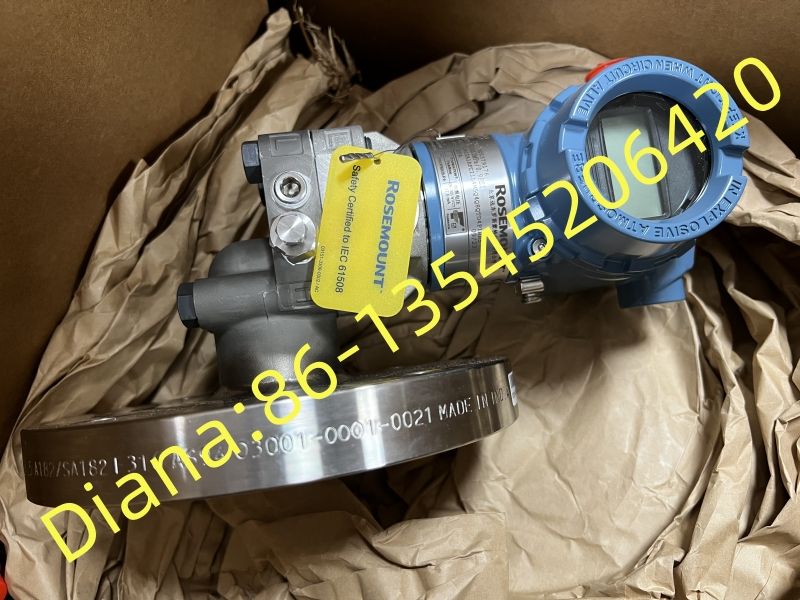
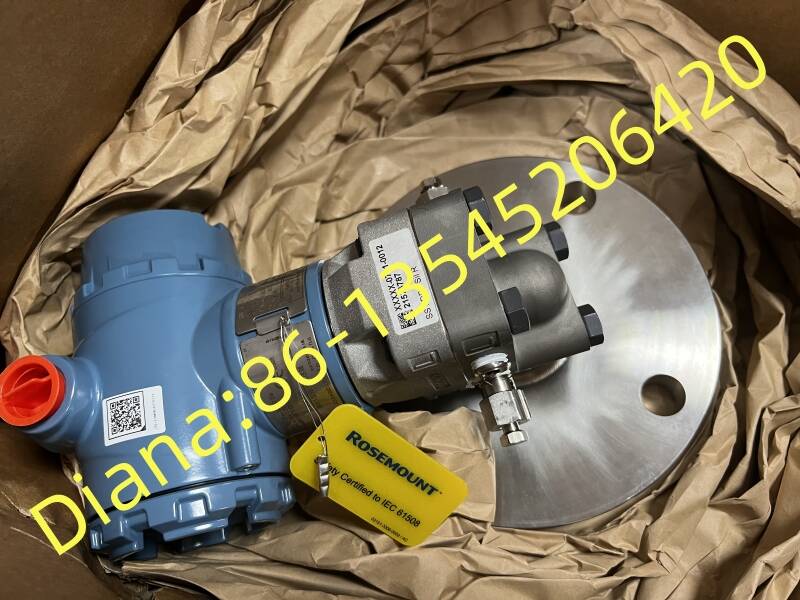
Rosemount 5408A1SHS2NA1R2ABCAB2M5DA1 is a fully configured non-contacting FMCW radar level transmitter. Its long model code should be treated as the technical identity of the supplied unit. Commissioning should establish not only a correct level value but also a clear record of the echo environment so future maintenance teams can recognize genuine change.
Build an application map before entering configuration
Describe the process product, dielectric behavior, operating temperature and pressure, vapor space, agitation, foam and expected build-up. Add the tank reference height, nozzle details, internal obstructions and normal filling range. This information gives the commissioning engineer a reason for every setting instead of relying on a generic setup.
The radar should be mounted where the beam reaches the surface without crossing a fill stream or a strong fixed reflector. If an existing nozzle must be reused, inspect its internal condition and confirm the antenna position. Mechanical burrs, welds and narrow extensions can influence an otherwise capable instrument.
Capture evidence at known level conditions
Check the raw distance reading before converting it into volume or percentage. Compare the local indication, HART variable and control-system value. Where possible, observe the vessel at low, normal and high operating levels. A single-point comparison cannot reveal an incorrect reference height or span.
Save an initial echo curve when the tank condition is understood. Identify major fixed echoes and document why they are acceptable. If a false-echo suppression function is applied, record the reason and the vessel level at the time. Suppression should not hide a real product echo in another operating condition.
| Commissioning record | Information to retain |
|---|---|
| Model | Rosemount 5408A1SHS2NA1R2ABCAB2M5DA1 |
| Vessel reference | Reference height, zero point, maximum fill level and blocking distance |
| Signal verification | Distance, level, loop current, signal quality and control-system scaling |
| Echo evidence | Baseline echo curve plus notes for permanent internal reflections |
| Handover package | Configuration backup, device tag, serial number, firmware and approved datasheet |
Diagnose the installation before replacing electronics
An unstable reading can result from heavy turbulence, changing foam, condensation, product build-up or a new obstruction. Compare current diagnostic data with the baseline echo curve and process history. Inspect the nozzle and antenna where safe access is available before concluding that the electronics have failed.
If a replacement is required, use the complete Rosemount 5408A1SHS2NA1R2ABCAB2M5DA1 code and compare every suffix with the approved configuration. Restoring a configuration file is useful only after confirming that the replacement hardware, antenna, connection and certifications are equivalent.