Confirming Power-Supply Code, Connector Option and Communication-Module Scope When Purchasing Yokogawa ANB10D-425/CU2T for a CENTUM VP N-IO System
Yokogawa ANB10D-425/CU2T is a Yokogawa ANB10D node-unit configuration for a dual-redundant ESB bus. Yokogawa system documentation describes ANB10D as a base unit with power and bus-interface modules on which only communication modules are mounted; the suffix and /CU2T option must remain explicit.
Itemize the populated assembly
The installation team needs to List power supplies, bus interfaces, communication modules and connector units separately. For Yokogawa ANB10D-425/CU2T, preserve the result with the asset record instead of relying on memory. If an alternative is proposed, compare it against that same evidence and document every functional difference.
Keep the approved offer, receiving evidence and final test record linked to Yokogawa ANB10D-425/CU2T.
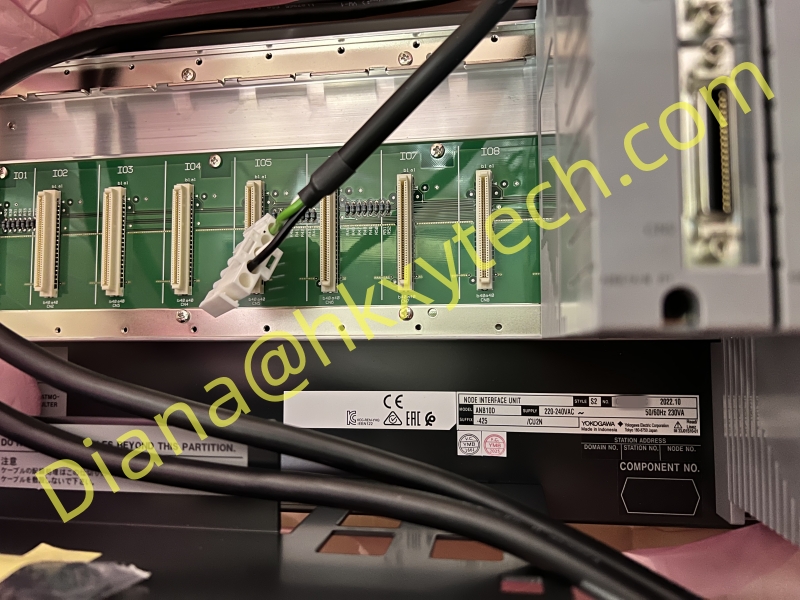
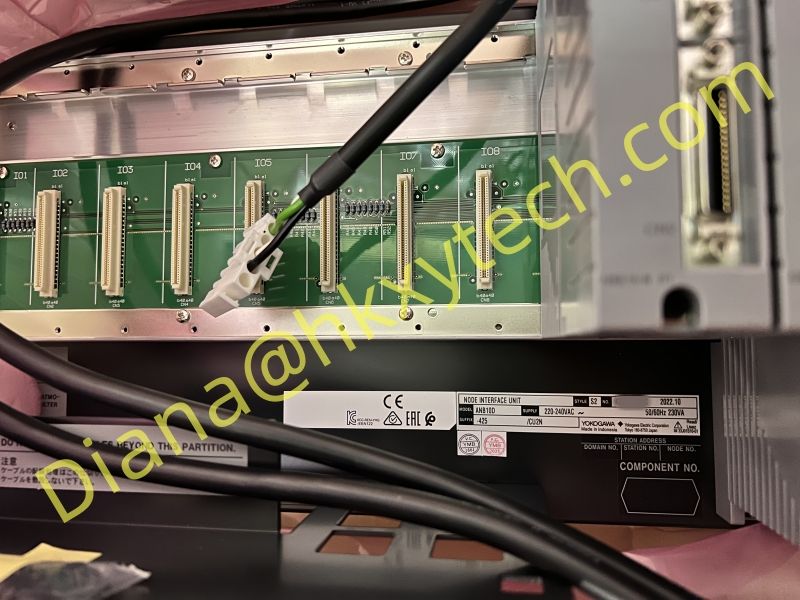
Shared reference image for Yokogawa ANB10D-425/CU2T. It helps identify the product family; verify the offered full code, nameplate, dimensions and included accessories.
Check option CU2T
The first practical check is to Confirm the connector and termination role at this exact node position before ordering. With Yokogawa ANB10D-425/CU2T, that check prevents a family description from being mistaken for the exact delivered execution. Keep photographs, drawings and the complete code together so engineering and purchasing compare the same item.
Keep the approved offer, receiving evidence and final test record linked to Yokogawa ANB10D-425/CU2T.
| Ordering reference | Yokogawa ANB10D-425/CU2T |
|---|---|
| Unit | ANB10D node for dual-redundant ESB bus |
| System | Yokogawa CENTUM VP N-IO architecture |
| Module scope | Power, bus interface and base unit; communication modules only |
| Suffix supplied | -425/CU2T |
| Verification | Confirm supply code and connector/terminator option from project documents |
Locate the node in the topology
Before the order is released, Mark upstream and downstream ESB connections and the cabinet position on the system drawing. This gives the team a measurable basis for evaluating Yokogawa ANB10D-425/CU2T. It also makes receiving inspection faster because the accepted details are already written into the purchase record.
Use the applicable manufacturer instructions and the site authorization procedure when working on Yokogawa ANB10D-425/CU2T.
Verify incoming power
Commissioning preparation should Compare the -425 execution with the cabinet supply and regional project documentation. Treat Yokogawa ANB10D-425/CU2T as one part of the complete loop, machine or process assembly. The final acceptance should demonstrate the required behavior under representative operating conditions and retain the result for later service.
Do not infer an unlisted option for Yokogawa ANB10D-425/CU2T; confirm it from the nameplate or original configuration record.
Protect redundancy during service
For a useful quotation, Use the approved maintenance sequence and identify which path remains available during replacement. The review of Yokogawa ANB10D-425/CU2T should connect this evidence to the actual cabinet or process point. Record the present arrangement before removing hardware, and ask the supplier to identify any assumption in its offer.
Use the applicable manufacturer instructions and the site authorization procedure when working on Yokogawa ANB10D-425/CU2T.
Archive the restored configuration
A reliable maintenance scope should Retain labels, module revisions and final communication status after authorized commissioning. Apply this directly to Yokogawa ANB10D-425/CU2T and record who owns the final technical decision. A similar appearance or shortened model is not enough when wiring, process connection or configured behavior can differ.
Do not infer an unlisted option for Yokogawa ANB10D-425/CU2T; confirm it from the nameplate or original configuration record.