
Reconciling the MTL PBUS6-2 list reference with the documented PBUS6.2 accessory and the installed signal-conditioner power-bus arrangement
MTL PBUS6-2 is the spelling supplied in the purchasing list. Eaton MTL documentation uses PBUS6.2 for a power-bus accessory associated with MTL1000 modules. Confirm the relationship between the hyphenated request and the dotted manufacturer designation from the original package or order record; no electrical ratings or pack quantity are assigned here to an unverified code match.
One punctuation mark can matter to purchasing
- The request for MTL PBUS6-2 should retain the original spelling while the supplier confirms the manufacturer’s notation.
- Do not silently change the part number on a quotation.
- Place the verified package identity beside the requested keyword and explain any difference.
- This is particularly useful for small accessories whose warehouse descriptions often omit punctuation or combine a package quantity with the product reference.
Accessory scope to settle before ordering
| Selection item | Verified information or configuration check |
|---|---|
| List keyword | MTL PBUS6-2 |
| Manufacturer notation to compare | PBUS6.2 |
| Documented context | MTL1000 power-bus accessory |
| Exact identity | Confirm package label or original purchase record |
| Supply quantity | Verify pieces per pack and number of packs |
| Compatibility | Check the installed module and power-bus arrangement |
| Ratings | Confirm from the exact accessory documentation |
Identify the modules already on the rail
Before ordering MTL PBUS6-2, list the signal conditioners and the existing bus arrangement. Include a clear view of the accessory position and the original drawing where available.
A family association with MTL1000 is a starting point, not proof that every module arrangement uses the same accessory. Ask the panel owner to confirm the actual compatibility requirement before the commercial order is released.
Count pieces, positions and packs separately
For MTL PBUS6-2, the buyer should distinguish the number of accessories required from the number of supplier packages. Confirm the package contents in writing. An apparent price difference can simply reflect a different unit of sale. Keep the required rail positions and any spare allowance visible in the bill of materials, then reconcile those needs with the confirmed pack quantity.
Keep a bus accessory separate from a conditioner
The inquiry for MTL PBUS6-2 should make clear whether the requirement is for the interconnection accessory alone or for a larger assembly. The accessory does not take the place of a signal-conditioning module or establish its transfer function. Record any feed components and end items separately. That makes it easier to compare quotations without mistaking a photograph of a complete rail for the actual supplied scope.
Use a physical comparison at receipt
Receiving inspection for MTL PBUS6-2 should verify the package label, quantity and visible connection geometry against the approved accessory record. Preserve the original packaging information in the stock entry.
If the supplier offers an alternative bus item, ask for a compatibility statement tied to the installed module arrangement. A similar appearance is insufficient to establish the exact fit or electrical suitability.
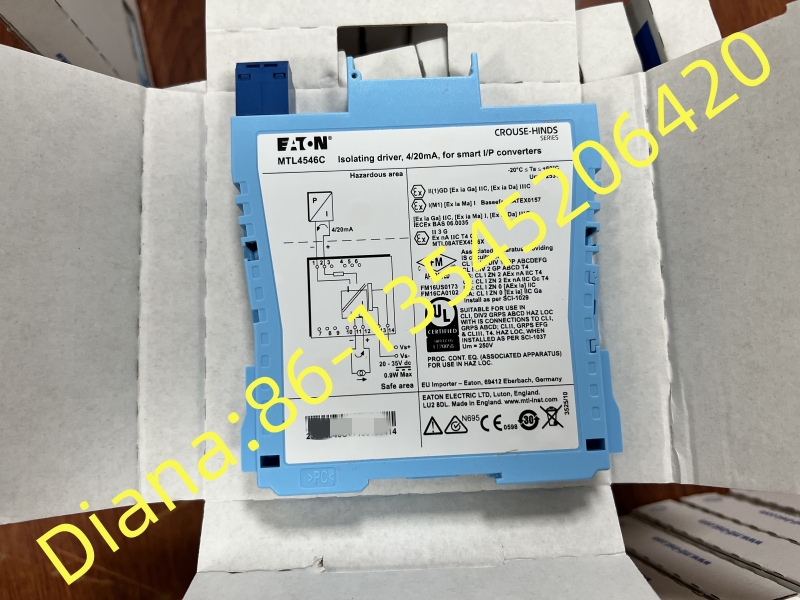
Shared reference image associated with MTL PBUS6-2; it does not establish the exact delivered model, options or accessories.
Leave the next buyer a clear record
Once the identity of MTL PBUS6-2 is confirmed, keep the cross-reference, pack contents and installed application together. This avoids repeating the same punctuation and quantity questions during replenishment. The record for MTL PBUS6-2 should remain an accessory record, with related MTL1000 modules listed only as application context. The shared image is illustrative and does not show guaranteed package contents.