Checking the SAI143 channel plan, isolator population and system cable before specifying Pepperl Fuchs HiCTB16-YRS-RRB-KS-CC-AI16 for a cabinet build
Pepperl Fuchs HiCTB16-YRS-RRB-KS-CC-AI16 is a termination board documented for Yokogawa ProSafe-RS and the 16-channel SAI143 analog input card. Pepperl+Fuchs lists 16 module positions and recommends HiC2025(A) analog input modules. Treat the board, isolators and system connection as separate items in the bill of materials unless the offer explicitly includes the complete assembly.
Board-to-system mapping
| Selection item | Verified information or configuration check |
|---|---|
| Board reference | Pepperl Fuchs HiCTB16-YRS-RRB-KS-CC-AI16 |
| Control platform | Yokogawa ProSafe-RS |
| Listed I/O card | SAI143, 16 analog input channels |
| Module population | 16 positions; HiC2025(A) recommended |
| Supply | 24 V DC, subject to isolator requirements |
| Control-side connector | 40-pin Yokogawa system connector |
| Field termination | Blue spring terminals |
| Enclosure protection | IP20; use the appropriate cabinet environment |
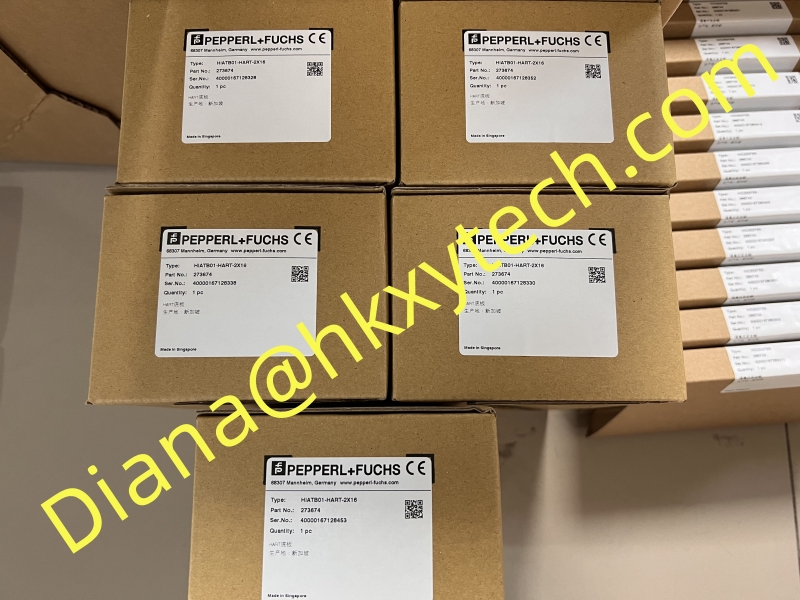
Shared reference image associated with Pepperl Fuchs HiCTB16-YRS-RRB-KS-CC-AI16; it does not establish the exact delivered model, options or accessories.
A board purchase starts with the channel map
The channel schedule for Pepperl Fuchs HiCTB16-YRS-RRB-KS-CC-AI16 should show how field tags reach the SAI143 input channels. Preserve the terminal and cable references used by the project. That record helps the panel builder distinguish a physical board replacement from a change to the I/O architecture. It also gives receiving and commissioning teams a common reference when the assembly is supplied in separate packages.
Make the isolator population explicit
An order for Pepperl Fuchs HiCTB16-YRS-RRB-KS-CC-AI16 should say whether the 16 positions are empty, partially populated or supplied with specified modules. List each required isolator type separately.
The recommendation for HiC2025(A) does not mean that every offer includes those devices. Keep quantities and any spare positions visible so the commercial scope can be reconciled with the cabinet bill of materials.
Check the system cable as part of the route
- For Pepperl Fuchs HiCTB16-YRS-RRB-KS-CC-AI16, record the approved system cable and its destination card rather than relying on connector appearance.
- The control-side connection must agree with the wiring plan.
- Compare cable routing space and cabinet access before ordering a replacement board.
- An electrically appropriate board can still require different installation work if the supplied accessory scope does not match the existing arrangement.
Document the supply and fault indication
The installation record for Pepperl Fuchs HiCTB16-YRS-RRB-KS-CC-AI16 should show the supply feeds, protection and fault indication path. Review the isolator voltage requirements when assessing the board supply arrangement. Keep the fault contact destination and expected state with the cabinet drawing. This avoids commissioning a complete signal path while leaving the board-level monitoring behavior undocumented.
Distinguish the neighboring board codes
A HiDTB board or a version ending in Y1 should not be treated as the same purchase as Pepperl Fuchs HiCTB16-YRS-RRB-KS-CC-AI16. Compare the specific controller card and module arrangement in the manufacturer selection tables.
When a supplier proposes an alternative to Pepperl Fuchs HiCTB16-YRS-RRB-KS-CC-AI16, require a marked list of differences and the system owner’s approval before changing the order. Similar AI16 text alone is insufficient evidence.
Inspect labels before populating the rack
For Pepperl Fuchs HiCTB16-YRS-RRB-KS-CC-AI16, retain the delivered board label and visible connector condition in the receiving record. Check the agreed module quantity and cable scope before cabinet assembly starts. Keep the approved channel schedule with the build documentation, so the final point-to-point checks can trace the actual hardware to the field tags rather than to an abbreviated warehouse description.