
Portable and Fully Radiometric FLK PTi120 Pocket Thermal Camera with 120 x 90 Infrared Resolution for Fast Maintenance Inspections
 August
06, 2026
August
06, 2026
Using the FLK PTi120 Pocket Thermal Camera for Faster Electrical, Mechanical and Building Inspections: A Practical Workflow for Capturing, Comparing and Reporting Thermal Evidence
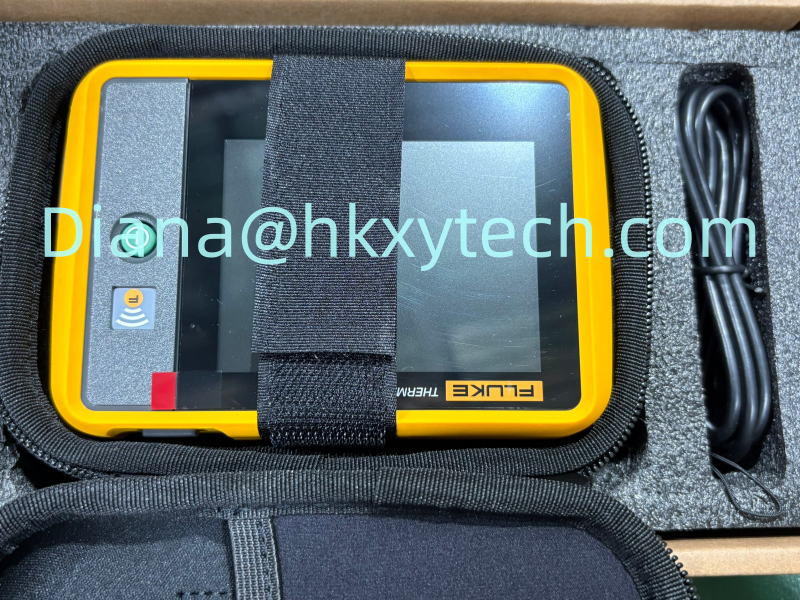
The FLK PTi120 is a compact, fully radiometric pocket thermal camera designed to make routine temperature screening easier to include in everyday maintenance. With 120 x 90 infrared resolution, a 3.5-inch touchscreen and a body sized for a tool bag, the FLK PTi120 helps technicians move from visual observation to documented thermal evidence without carrying a large inspection system.
For electrical panels, motors, bearings, HVAC equipment, building envelopes and production assets, the FLK PTi120 can reveal temperature differences that deserve closer investigation. Thermal imaging does not replace electrical testing, vibration analysis or mechanical inspection, but it gives maintenance teams a fast way to prioritize where those additional checks should begin.
Why the FLK PTi120 Fits Routine Maintenance Rounds
A useful thermal camera must be available when an abnormal condition first appears. The portable format of the FLK PTi120 encourages technicians to carry it during scheduled routes, breakdown response and post-repair verification. Its 10,800 infrared pixels record temperature data across the image, allowing saved radiometric files to support later review rather than serving only as a visual snapshot.
The FLK PTi120 provides IR-Fusion image blending, which combines thermal information with visible context. Adjusting the blend helps the user relate a hot connection, bearing housing or air leak to the physical asset. Six color palettes provide additional viewing choices, while hot and cold spot markers help users locate thermal extremes on the screen.
A 9 Hz frame rate suits stationary industrial inspection work, and the fixed-focus design reduces setup steps. The FLK PTi120 is not intended to turn every temperature difference into an immediate fault decision; instead, it supports consistent comparison, documentation and escalation based on operating load and asset history.
A Six-Step FLK PTi120 Inspection Workflow
1. Define the inspection objective. Decide whether the FLK PTi120 is being used for a baseline survey, fault investigation, load comparison or repair verification.
2. Confirm safe access. Follow the site's electrical, mechanical and thermal safety procedures before approaching energized or moving equipment with the FLK PTi120.
3. Stabilize operating conditions. Record load, ambient temperature and equipment state so the FLK PTi120 image can be interpreted in the correct context.
4. Set measurement parameters. Review emissivity and reflected background settings on the FLK PTi120, especially when surfaces are shiny, painted, insulated or viewed through an opening.
5. Capture comparable views. Use consistent distance, angle and framing so future FLK PTi120 images can be compared with the same asset under similar conditions.
6. Record the conclusion. Save the thermal file, asset identity, operating load and recommended follow-up rather than relying on the FLK PTi120 image alone.
Compact Technical Specifications
| Parameter | Specification | Parameter | Specification |
|---|---|---|---|
| Brand / Model | FLK PTi120 | Infrared resolution | 120 x 90, 10,800 pixels |
| Thermal sensitivity | 60 mK | Frame rate | 9 Hz |
| Field of view | 50 degrees H x 38 degrees V | IFOV | 7.6 mRad |
| Display | 3.5-inch, 320 x 240 touchscreen | Image blending | IR-Fusion adjustable AutoBlend |
| Temperature range | -20 to +150 degrees C or -20 to +400 degrees C, depending on model | Accuracy | +/-2 degrees C or +/-2%, whichever is greater, at target temperature of 0 degrees C or above |
| Storage | 2 GB internal flash memory | File formats | JPEG and radiometric IS2 |
| Connectivity | Wi-Fi and Mini USB | Battery | Rechargeable lithium-ion, at least 2 hours without Wi-Fi |
| Protection | IP54, 1-meter drop rating | Weight | 0.233 kg including battery |
Electrical Inspection Applications
When inspecting distribution equipment, the FLK PTi120 can help identify unequal phase heating, loose connection patterns, overloaded components and abnormal contact resistance. Results should be compared under representative load, and reflective metal surfaces require careful emissivity handling. A warmer component is not automatically defective, but a repeatable temperature difference between comparable phases can justify further testing.
The FLK PTi120 can also support post-maintenance checks after torque verification, component replacement or load balancing. Capturing the same panel from the same location creates a more useful record than changing angle and distance each time. Thermography near energized equipment must always follow required safe-working distances and personal-protective-equipment rules.
Mechanical and HVAC Applications
For motors, pumps, couplings and bearings, the FLK PTi120 can highlight heat patterns associated with friction, lubrication problems, misalignment, blocked cooling or changing load. Thermal findings become more valuable when combined with vibration readings, operating current and maintenance history.
In HVAC and building work, the FLK PTi120 can help screen ducts, vents, radiators, electrical controls and sections of the building envelope. Temperature patterns may indicate missing insulation, air leakage, moisture risk or uneven heating and cooling. Weather, solar loading and indoor-outdoor temperature difference should be documented because they strongly affect building images.
Getting More Reliable Temperature Data
Infrared cameras measure emitted radiation rather than surface temperature directly. Accurate use of the FLK PTi120 therefore depends on surface emissivity, reflected energy, viewing angle, distance and atmospheric conditions. Painted or oxidized surfaces generally behave differently from polished metal, and apparent reflections can look like genuine hot spots.
Use the FLK PTi120 to compare similar materials and components wherever possible. Move slightly to see whether a suspected hot area changes with viewing angle; a shifting pattern may be a reflection. Confirm critical findings with an appropriate contact or electrical measurement before making a shutdown or replacement decision.
Image Organization and Reporting
The FLK PTi120 supports radiometric files for later analysis and ordinary JPEG images for quick communication. Wi-Fi and USB transfer options help move inspection data into a reporting workflow. Asset-based naming, consistent inspection routes and recorded load conditions make trend comparisons clearer than storing isolated images without context.
A useful report should identify the asset, inspection date, operating condition, ambient temperature, measured point, reference point, thermal difference, risk assessment and recommended next action. The FLK PTi120 image should support the conclusion, while the written notes explain why the condition matters.
Selection, Care and Ordering Checks
Before ordering an FLK PTi120, verify the required temperature-range version, regional radio approval, frame rate, included accessories and software compatibility. The PTi120 family is offered in different measurement ranges, so the complete part number should be checked rather than relying only on the family name.
Keep the FLK PTi120 lens clean, protect the touchscreen, store the camera in its case and charge the battery before planned inspection routes. Avoid solvents or abrasive materials on optical surfaces. Periodic functional checks against a stable reference help identify unexpected measurement drift or damage.
For availability or a quotation, provide the complete FLK PTi120 part number, required temperature range, destination and intended inspection application. These details make it easier to confirm that the selected FLK PTi120 configuration matches the required maintenance workflow.