

Selecting Rosemount 5408A1SHA1I11R3AACAA3M5Q4 for Stable Non-Contacting Level Measurement in Industrial Tanks
Rosemount 5408A1SHA1I11R3AACAA3M5Q4 is a configured two-wire FMCW radar level transmitter for continuous non-contacting measurement. It is designed for process vessels where operators need a dependable level signal without a sensing element touching the product. The full order code should remain attached to every quotation, inspection record and replacement request because it identifies the supplied mechanical and electronic configuration.
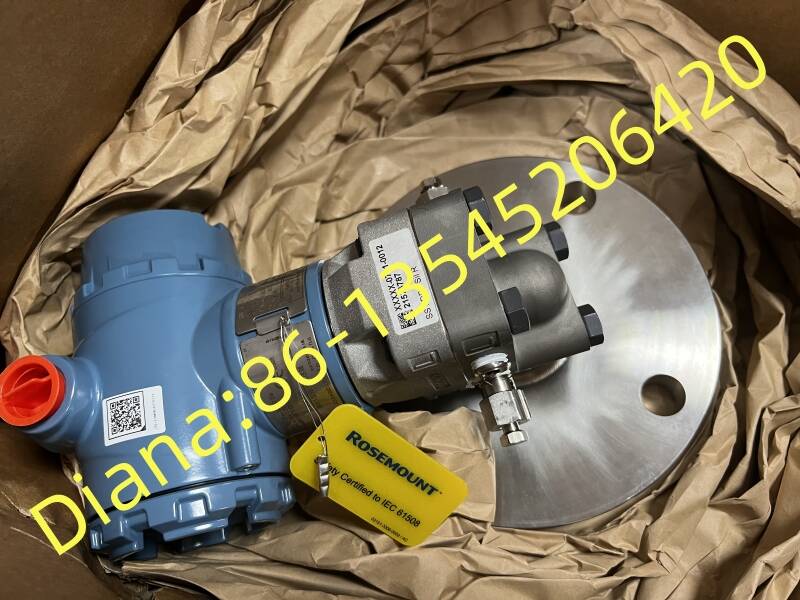
Define the tank geometry before approving the instrument
Radar performance begins with the physical installation. Record the reference height, nozzle diameter and height, maximum filling level, minimum measurable level and the position of internal structures. Agitators, heating coils, ladders, fill streams and vessel walls can produce echoes that should be considered before the mounting point is finalized.
The antenna should have a clear path to the product surface across the complete operating range. A tall or narrow nozzle can restrict the beam, while an installation close to a wall may create unwanted reflections. The project drawing should show the proposed position and confirm that the Rosemount 5408A1SHA1I11R3AACAA3M5Q4 can be installed and removed without disturbing nearby equipment.
| Selection item | Engineering requirement |
|---|---|
| Model | Rosemount 5408A1SHA1I11R3AACAA3M5Q4 |
| Measurement principle | Two-wire Frequency Modulated Continuous Wave non-contacting radar |
| Typical control signal | 4–20 mA with HART communication, subject to the ordered configuration |
| Application review | Product dielectric behavior, turbulence, foam, vapor, condensation, build-up and vessel obstructions |
| Configuration control | Compare every suffix with the approved instrument datasheet and manufacturer documentation |
Commission the radar with a documented vessel reference
Enter the vessel reference height, lower and upper range values, product characteristics and the appropriate application settings. Confirm the distance reading before applying level scaling. If the tank contains a moving surface, allow sufficient observation time to distinguish normal process variation from an installation problem.
Save the initial echo curve and record signal quality when the vessel is at a known level. These baseline records are valuable if build-up, a new internal obstruction or a process change later affects the measurement. The control system value, local display and an independent reference should agree within the project acceptance limits.
Keep diagnostics connected to the maintenance workflow
Rosemount 5408 technology uses advanced echo processing and device diagnostics to help maintain a reliable level signal. Maintenance teams should trend diagnostic events together with actual operating conditions instead of treating every warning as an isolated transmitter fault. A change in echo behavior can indicate condensation, coating, turbulence or altered filling practice.
Preserve the device tag, range, damping, alarm direction and configuration backup after commissioning. When replacing an installed unit, compare the complete Rosemount 5408A1SHA1I11R3AACAA3M5Q4 code, process connection, antenna, approvals and documentation requirements before accepting a substitute.


