Confirming Temperature Range, Insertion Length and Thermowell Details for ABB TSH210.Y0.A2.H31.M2.Z9.A13.K1.T2.A2.Y1-CC
Resolve the electrical handoff
Engineering should confirm terminal head or transmitter choice and place the result beside the complete code for ABB TSH210.Y0.A2.H31.M2.Z9.A13.K1.T2.A2.Y1-CC. That comparison gives purchasing, receiving and commissioning one common technical baseline.
For this TSH210 high-temperature sensor assembly, compare the proposed configuration with the stated purpose of industrial process temperature measurement. Record normal conditions, credible upset conditions and the boundary between the instrument or device and the surrounding system. This keeps the review of ABB TSH210.Y0.A2.H31.M2.Z9.A13.K1.T2.A2.Y1-CC focused on measurable site evidence.
Require the supplier to identify any assumption and return a line-by-line configuration summary for ABB TSH210.Y0.A2.H31.M2.Z9.A13.K1.T2.A2.Y1-CC.
| Exact ordering reference | ABB TSH210.Y0.A2.H31.M2.Z9.A13.K1.T2.A2.Y1-CC |
|---|---|
| Sensor style | Straight thermocouple with metal thermowell |
| Family duty | High-temperature service, execution dependent |
| Family limit | Selected configurations extend to approximately 1300 °C |
| Construction | Element, sheath and head options vary |
| Code control | Decode every suffix position before manufacture |
ABB TSH210.Y0.A2.H31.M2.Z9.A13.K1.T2.A2.Y1-CC is a TSH210 high-temperature sensor assembly intended for industrial process temperature measurement. The complete model string should remain on the enquiry, purchase order and receiving record because the suffix governs the supplied mechanical, electrical and approval details. The review below turns ABB TSH210.Y0.A2.H31.M2.Z9.A13.K1.T2.A2.Y1-CC into a practical procurement and commissioning checklist.
Plan receiving inspection
Before a supplier quotes ABB TSH210.Y0.A2.H31.M2.Z9.A13.K1.T2.A2.Y1-CC, ask the site team to capture thermocouple type and tolerance class. This practical detail often decides whether the delivered item fits, connects and behaves as expected.
For this TSH210 high-temperature sensor assembly, compare the proposed configuration with the stated purpose of industrial process temperature measurement. Record normal conditions, credible upset conditions and the boundary between the instrument or device and the surrounding system. This keeps the review of ABB TSH210.Y0.A2.H31.M2.Z9.A13.K1.T2.A2.Y1-CC focused on measurable site evidence.
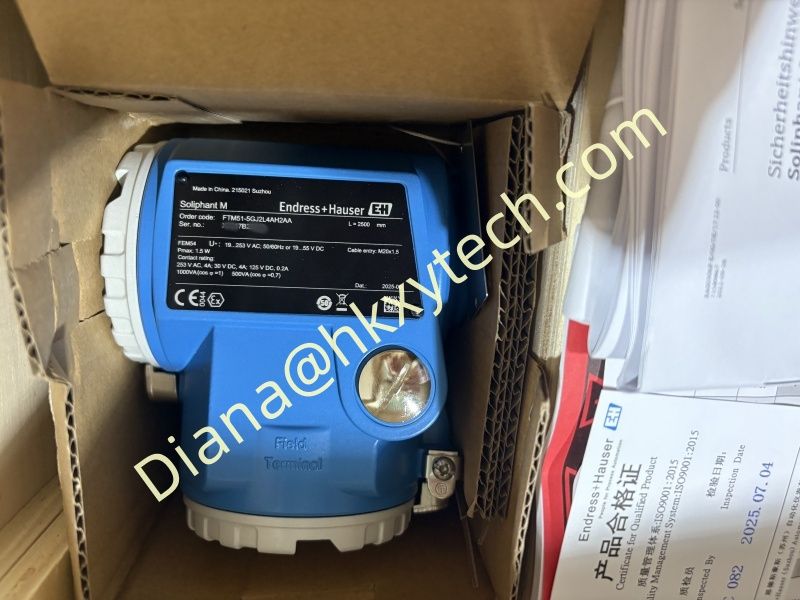
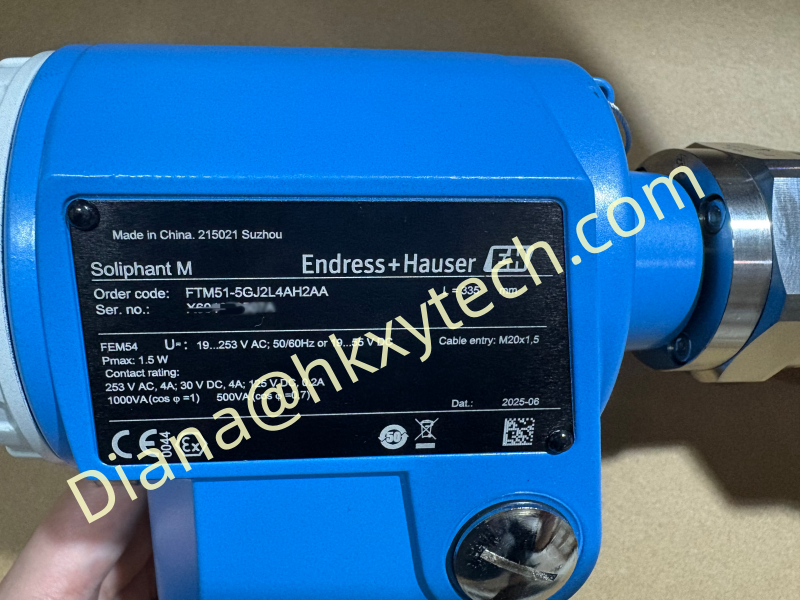
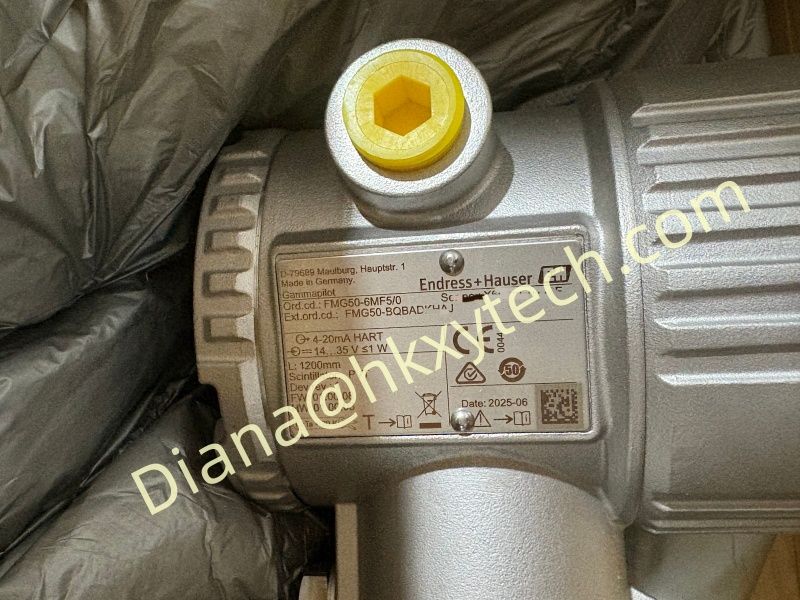
The shared product image for ABB TSH210.Y0.A2.H31.M2.Z9.A13.K1.T2.A2.Y1-CC is a reference only and does not prove the delivered configuration.
Define the installed duty
Start the procurement review by documenting thermowell alloy and outside diameter. For ABB TSH210.Y0.A2.H31.M2.Z9.A13.K1.T2.A2.Y1-CC, this evidence ties the quotation to the actual installation and prevents a family-level description from replacing the required execution.
For this TSH210 high-temperature sensor assembly, compare the proposed configuration with the stated purpose of industrial process temperature measurement. Record normal conditions, credible upset conditions and the boundary between the instrument or device and the surrounding system. This keeps the review of ABB TSH210.Y0.A2.H31.M2.Z9.A13.K1.T2.A2.Y1-CC focused on measurable site evidence.
If the full suffix cannot be decoded from current manufacturer documents, confirm ABB TSH210.Y0.A2.H31.M2.Z9.A13.K1.T2.A2.Y1-CC from the original nameplate or factory record.

Shared reference image for ABB TSH210.Y0.A2.H31.M2.Z9.A13.K1.T2.A2.Y1-CC. Verify the offered nameplate, complete code, dimensions and included accessories before acceptance.
Prove operation after installation
Commissioning preparation needs a verified statement of required insertion and overall length. Link it to ABB TSH210.Y0.A2.H31.M2.Z9.A13.K1.T2.A2.Y1-CC, the loop drawing and the equipment location so the final test can reproduce the intended service.
For this TSH210 high-temperature sensor assembly, compare the proposed configuration with the stated purpose of industrial process temperature measurement. Record normal conditions, credible upset conditions and the boundary between the instrument or device and the surrounding system. This keeps the review of ABB TSH210.Y0.A2.H31.M2.Z9.A13.K1.T2.A2.Y1-CC focused on measurable site evidence.
Require the supplier to identify any assumption and return a line-by-line configuration summary for ABB TSH210.Y0.A2.H31.M2.Z9.A13.K1.T2.A2.Y1-CC.
Control the exact order code
A dependable replacement decision begins with process velocity and vibration review. When evaluating ABB TSH210.Y0.A2.H31.M2.Z9.A13.K1.T2.A2.Y1-CC, record the observed value, its source and any permitted tolerance instead of assuming the suffix has already been decoded.
For this TSH210 high-temperature sensor assembly, compare the proposed configuration with the stated purpose of industrial process temperature measurement. Record normal conditions, credible upset conditions and the boundary between the instrument or device and the surrounding system. This keeps the review of ABB TSH210.Y0.A2.H31.M2.Z9.A13.K1.T2.A2.Y1-CC focused on measurable site evidence.
If the full suffix cannot be decoded from current manufacturer documents, confirm ABB TSH210.Y0.A2.H31.M2.Z9.A13.K1.T2.A2.Y1-CC from the original nameplate or factory record.
Confirm the physical interface
The maintenance record should show process connection and mounting orientation. Apply that record to ABB TSH210.Y0.A2.H31.M2.Z9.A13.K1.T2.A2.Y1-CC before removal so the replacement can be compared with the working arrangement rather than with memory alone.
For this TSH210 high-temperature sensor assembly, compare the proposed configuration with the stated purpose of industrial process temperature measurement. Record normal conditions, credible upset conditions and the boundary between the instrument or device and the surrounding system. This keeps the review of ABB TSH210.Y0.A2.H31.M2.Z9.A13.K1.T2.A2.Y1-CC focused on measurable site evidence.
The shared product image for ABB TSH210.Y0.A2.H31.M2.Z9.A13.K1.T2.A2.Y1-CC is a reference only and does not prove the delivered configuration.